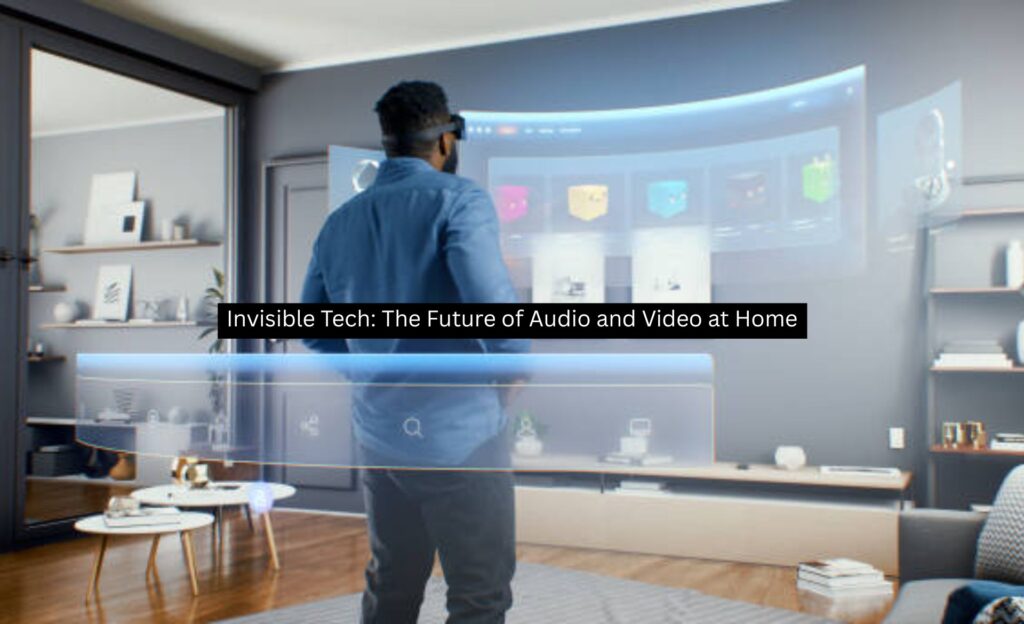
Invisible Tech: The Future of Audio and Video at Home
Key Takeaways
- Invisible technology is transforming modern homes by blending powerful audio and video systems seamlessly into design.
- Enjoy entertainment without clutter with innovations like in-wall speakers, art-style TVs, and transparent displays.
- Smart home ecosystems integrate AV with lighting, locks, and voice assistance for effortless control.
- The future points towards environments where walls, furniture, and even glass surfaces double as entertainment hubs.
Upon entering any modern living room, you may make a unique observation: the technology isn’t apparent. Gone are the days of bulky eyesore speakers or massive entertainment centers.
Audio and video now blend into the background in streamlined setups, creating spaces that feel both stylish and smart. This quiet shift is redefining what a “connected home” is, where powerful systems are no longer meant to be showcased but instead to disappear into the background.
The Shift Toward “Invisible” Living
For decades, home technology was about visibility. The bigger, the better.
Stereo system stacks and gigantic projection televisions were seen as status symbols, signaling that a household was keeping up with all the latest trends.
Today, the opposite is true. Homeowners have moved towards embracing technology that delivers performance without clutter, prioritizing comfort and simplicity in their designs.
Minimalism is the guiding principle now. Clean lines and open spaces have replaced heavy cabinets and tangled cords. Built-in speakers, hidden screens, and discreet wiring now allow us to enjoy cutting-edge entertainment without compromising aesthetics.
Mark Weiser, widely considered the father of “ubiquitous computing,” once said that “the most profound technologies are those that disappear. They weave themselves into the fabric of everyday life until they are indistinguishable from it.”
Audio That Disappears but Surrounds You
Expensive, flashy home audio systems used to revolve around tall floor speakers and complex webs of wires. Today’s innovations are pushing sound tech out of sight while making the entire listening experience more immersive than ever.
Invisible audio comes in several forms:
- In-wall and in-ceiling speakers: Installed flush with the surface, providing surround sound without visible hardware. Some speakers even hide in furniture.
- Acoustic wall panels: Doubling as decor and dispersing rich, balanced audio
- Directional sound technology: Creating a “sound bubble” for one listener without disturbing the rest of the room or other areas of the home
These solutions aren’t just for show; they enhance functionality. Families can enjoy their favorite music or movies without heavy, bulky equipment dominating their space, while open-concept homes benefit from even sound distribution across multiple zones.
Read: Eco-Friendly Mobile Screen Protectors: A Sustainable Alternative
Pairing Audio and Smart Automation
The combination of audio and smart automation is appearing in more and more homes. Picture this: a system that automatically lowers the volume when the doorbell rings or shifts to a calming playlist when bedtime is approaching.
The future of home entertainment isn’t just about clarity or sound; it’s about adaptability and seamless integration into our daily routines.
Video Without Boundaries
Large screens are still in play, but everything that used to surround them is gone. One of the most significant space-saving developments since the turn of the century has been ditching large, heavy tube TVs for much thinner, sleeker counterparts.
TVs doubling as decor isn’t new, but the design concepts are much different. Large tube TVs that once sat encased in heavy wood furnishings are now sleek, paper-thin flat screens that easily mount on walls and blend right in.
Retractable projectors and rollable OLED panels push this concept even further, vanishing out of sight entirely when not in use.
Advances in Display Technology
Screens today are thinner, brighter, and more versatile than ever, making seamless integration a cinch. Most of today’s flat screens are lightweight and easy to move/mount.
Transparent displays are already in the works; one day soon we may be seeing glass walls that double as home theater screens.
Ultimately, these more innovative, more adaptive designs afford homeowners the ability to enjoy cinematic experiences without sacrificing style or space.
Integration With Smart Home Ecosystems
Multiple remotes, navigating clunky menus, and connecting different hardware – all things of the past. Homeowners now have complete control over their setup with single voice commands or just one touch on their smartphones for everything from smart locks to lighting to AV systems.
Voice assistants like Alexa, Google Assistant, and Siri are vital to this shift. Walking into a living room and simply saying, “Movie night,” leading to the lights dimming, shades lowering, and a hidden projector gliding into position is a reality today that once seemed impossible.
The Role of AI in Home Audio and Video
Artificial intelligence is an increasingly large part of the equation. Some systems are capable of automatically adjusting sound profiles depending on the number of people in the room or optimizing brightness depending on the time of day.
Instead of users endlessly tweaking settings, advanced AI smart systems do the thinking in the background.
The guiding principle is simple. Invisible isn’t inactive, it’s intuitive.
The Future Outlook: Blending Tech and Lifestyle
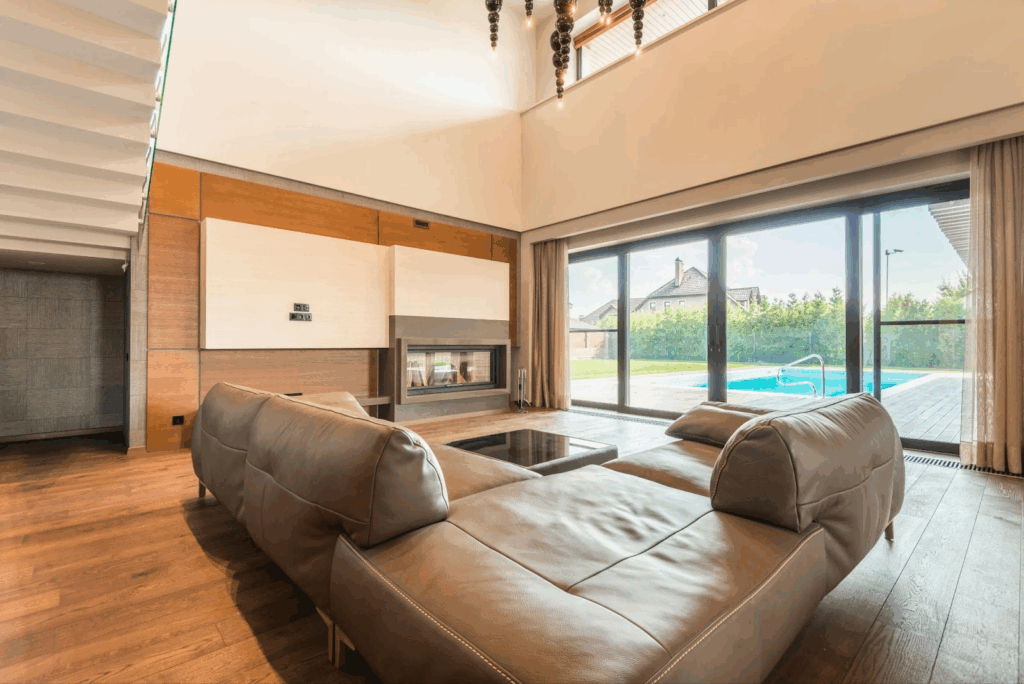
The current trajectory of invisible technology suggests that the next wave of innovation will further blur the lines between home design and entertainment. Walls, windows, and furniture could soon double as dynamic audio/visual surfaces, transforming rooms into experiences.
Here are a few trends experts are expecting in the near future:
- Transparent displays: Windows and glass walls that function as ultra-thin screens when activated but are otherwise invisible.
- Immersive 3D audio without visible speakers: Sound projected from walls or furniture, allowing for more freedom in hardware placement.
- Furniture-integrated tech: Coffee tables with built-in controls or sofas embedded with haptic feedback for gaming and cinema.
- Wellness integration: AV systems that adjust ambient light and soundscapes to support productivity during the day and relaxation at night.
Invisible technology is ultimately about balance: giving homeowners powerful tools without disrupting the comfort and character of their living spaces.
Wrap Up: The Hidden Power of Invisible Tech
Invisible technology is no longer a futuristic idea or something we’ve only seen in The Jetsons; it’s a direction that home design and entertainment are simultaneously headed.
From discreet speakers to vanishing displays, the trend is clear: homeowners want powerful systems that don’t compromise space.
For those ready to bring these possibilities to life, professional home AV installation ensures that cutting-edge systems are integrated seamlessly into any space, delivering the performance of tomorrow without the clutter of yesterday.