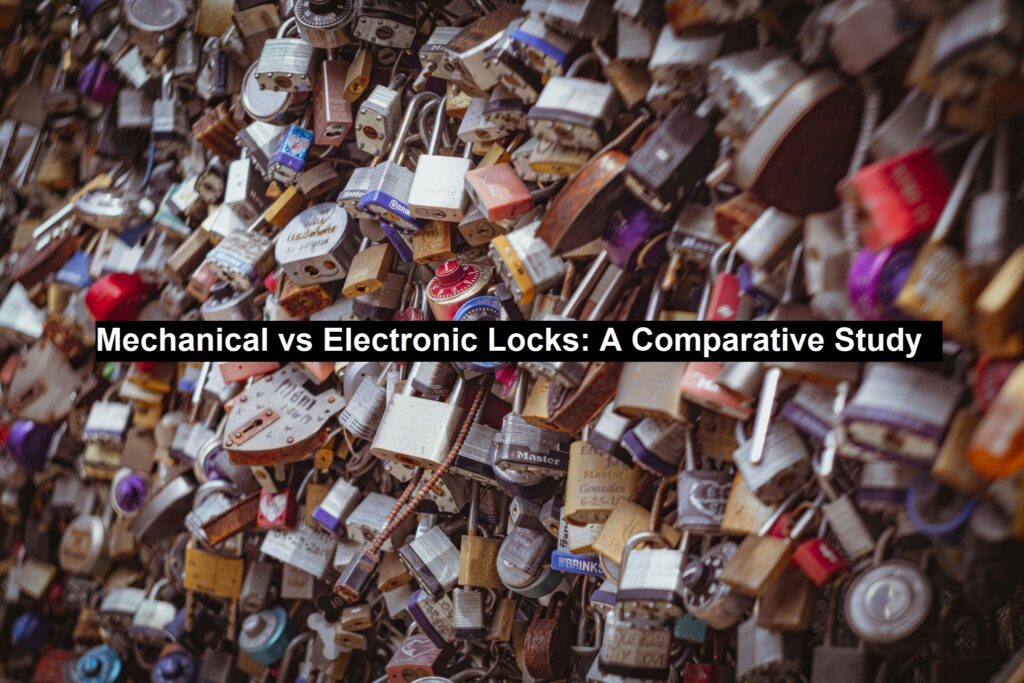
Mechanical vs Electronic Locks: A Comparative Study
Mechanical and Electronic locks. They both keep things secure, right? Yes, but they have several notable differences. When trying to decide between them, it is best to know how each operates so you are able to make the best choice based on your purposes.
Advantages and Disadvantages
Mechanical locks are simple, but reliable, and don’t need any electricity. Electronic locks, on the other hand, offer enhanced security, remote access, and convenience through their electronic features. Which choice is best? It depends on the circumstances, the budget, and the features you want.
Advantages of Mechanical Locks
Reliable
Since mechanical locks don’t rely on electricity, they are dependable. It doesn’t matter if the power is out; the lock can be opened and closed with ease.
Durable
This type of lock is resistant to weather and wear and tear, even in harsh environments. The locks are hardy and don’t break down easily. The last for a long time and do their jobs well.
Affordable
Every lock is going to have a price tag attached, but when you compare mechanical locks to electronic options, mechanical locks are much more budget-friendly.
Simplicity
Mechanical locks are straightforward and simple. They only take a key to open or close. That simplicity makes them marketable for certain situations.
No Maintenance
No one ever has to replace a battery, update software, or perform any other maintenance on a mechanical lock to keep it functioning. The lack of maintenance is a huge advantage of this type of lock.
Read: Eco-Friendly Mobile Screen Protectors: A Sustainable Alternative
Advantages of Electronic Locks
Security
There are a lot more security features on an electronic lock than there are on mechanical options. You might have an alarm system attached, for example, a keyless entry, biometric authentication, and other such enhanced security options.
Remote Access/Control
Electronic locks can easily be incorporated into other systems, like a smart home. You can monitor and control the locks, even remotely, which can be a nice feature in certain circumstances.
Customizing Abilities
These locks can be customized to make them easy to manage, regardless of your specific needs. Users can add, change, or even delete codes. Things can be customized to suit any user’s needs.
Convenience
Users don’t have to have a key to gain entry through the lock. Instead, they use key fobs, codes, or smartphones. No one has to worry about being locked out because they forgot their key. Keyless entry door locks can be a convenient way to enter and exit your house, for example.
Trails
Some electronic locks can record and track access or even attempts. In certain situations, it’s beneficial to have insights into who unlocks the device or who locks it back up after entry.
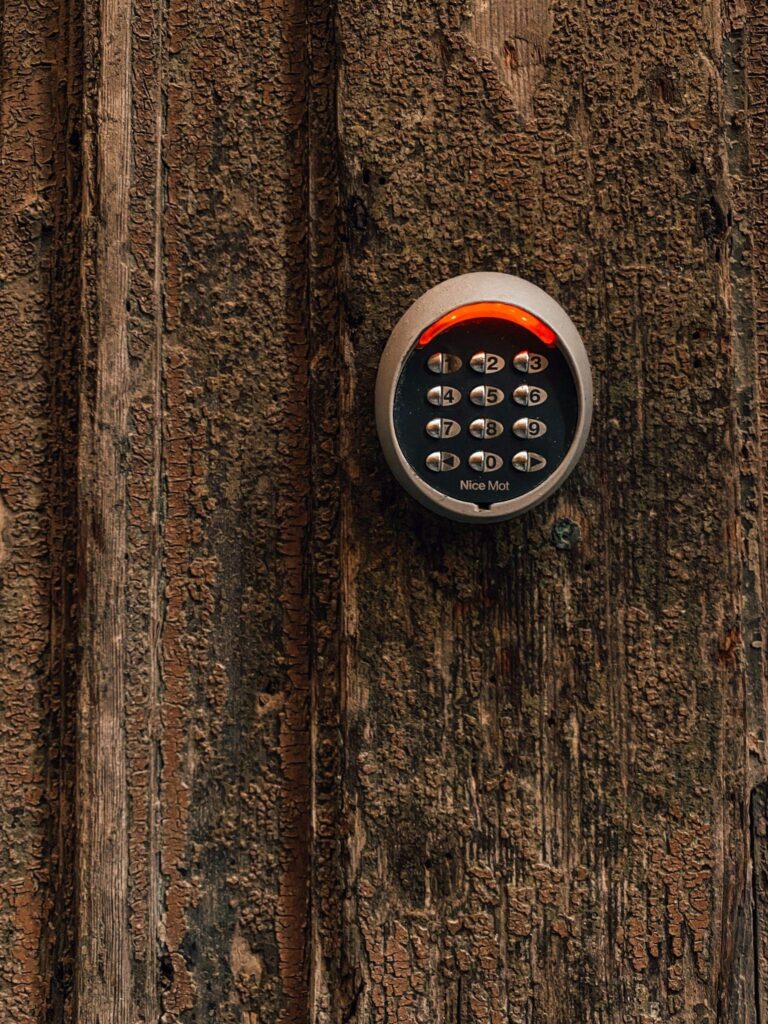
Disadvantages of Mechanical Locks:
Limited Features
Mechanical locks are very simple and offer limited security options. They don’t have any remote access or alarm systems. They lock and can be opened with a key, but that’s about the extent of them.
Vulnerability
Traditional locks are good security measures, in general, but they can also be vulnerable to those who know what they are doing. Mechanical locks could be bumped or picked, allowing others entry without your knowledge.
No Remote Access
Users can’t check on the locks from another location. They have to be right in front of the lock, looking at it, in order to see if it is doing its job.
Inconveniences
Have you ever lost a key? That’s a huge inconvenience when it comes to getting through a mechanical lock that only opens with that key. Making copies of keys can also be a hassle if you want to use more than one key on the lock.
Disadvantages of Electronic Locks:
Electricity-Dependent
While electronic locks are more secure, in general, they also require a power source. If they are wired and a power outage occurs, they are inoperable. Battery-operated options are available, but batteries must be changed regularly to keep them operational.
Maintenance
These locks require ongoing attention over time, as they may need software updates, battery replacements, or code changes, among other maintenance tasks. If left unattended, they will no longer operate properly.
Expenses
Electronic locks cost more upfront. Even after you purchase the lock, you often have to have it installed, which is another expense. Maintenance costs, such as battery changes and other similar items, add up over time as well.
Hacking Vulnerability
While electronic locks can’t be picked like mechanical locks, they are still vulnerable to cyberattacks and hacking. There are still ways to get through them if the right person knows what they are doing with that type of lock.
Installation Complexities
Anyone can install a mechanical lock with ease. Some electronic varieties may require professional installation due to their complexity. The locks have to be installed correctly or they won’t work properly.
Which Lock is Right for Your Situation?
Now that you know the pros and cons of both electronic and mechanical locks, including keyless entry door locks, you can decide what works for your circumstances. Consider your security needs, convenience aspects, remote access wants, and your budget, among other things, to make the right decision.