Top Ingredients to Look for in Fluoride-Free Toothpaste
- There are many alternatives to fluoride in toothpaste that help ensure the same benefits.
- Using a combination of the following ingredients will ensure oral health.
- Explore these ingredients to enhance your knowledge of premium oral care products.
While fluoride is a natural mineral that’s included in many toothpastes to harden your enamel, many people are looking for fluoride-free options. If you’re someone who’s interested in alternative ingredients to protect your teeth from cavities, you’ll need to know which ingredients are most important for tooth health. Take a look at this overview to discover the top ingredients to look for in your fluoride-free toothpaste.
Why Should You Skip Fluoride?
Fluoride is not bad for your health at all. In fact, the American Dental Association recommends that you use fluoride toothpaste and drink fluoride water to build up your enamel through natural remineralization. In some countries, you can even find fluoridated milk and salt to enhance your tooth health. However, some people prefer to avoid fluoride for a number of reasons, including:
- Too much fluoride can damage bones and joints
- Some people are sensitive or allergic to fluoride
- Fluoride poisoning can cause neurological problems
Fortunately, fluoride in toothpaste and water is closely monitored to ensure safe levels. However, if you prefer to control your own fluoride intake, review the alternative ingredients below. You may not find all of these ingredients in a single toothpaste, as just one of them is enough to replace the effects of fluoride.
Hydrated Silica
Hydrated silica is used as an abrasive ingredient in your toothpaste in order to more effectively remove plaque and polish teeth. With this ingredient, you can expect less plaque buildup over time. Plaque produces acids that attack your tooth enamel, causing it to degrade and allowing cavities to grow. When you don’t allow plaque to form in the first place, you don’t have to worry as much about combating enamel degradation through fluoride remineralization.
Xylitol
You might be familiar with this ingredient already because it’s most commonly used as a sweetener in drinks, food, and chewing gum. But it’s so much more than just an alternative sweetener – it’s also an alternative toothpaste ingredient! Xylitol is extracted from plants and is a completely natural alternative to fluoride, as it prevents bacterial growth. Bacteria in your mouth are one of the most common causes of bad breath and gingivitis. These bacteria can also hasten tooth decay and infect any wounds in your mouth. Prevent them from growing with xylitol toothpaste.
Read: Eco-Friendly Mobile Screen Protectors: A Sustainable Alternative
Sodium Bicarb
Also known as baking soda, sodium bicarbonate is another abrasive that can be used to remove plaque from your teeth before it turns into tartar. Tartar is the hardened version of plaque that creates an uneven surface along your teeth, making it easier for even more plaque to grow. Over time, tartar buildup leads to gum disease and tooth decay.
Using baking soda allows you to take advantage of its alkaline properties and abrasiveness to protect your teeth. Remove surface stains and reduce plaque with baking soda!
Please note that you should not add baking soda to toothpaste on your own, as overuse can cause damage to your enamel. Toothpaste manufacturers carefully monitor baking soda levels, blending it with other essential ingredients, to ensure they provide all the benefits and none of the downsides.
Papaya Plant Extract
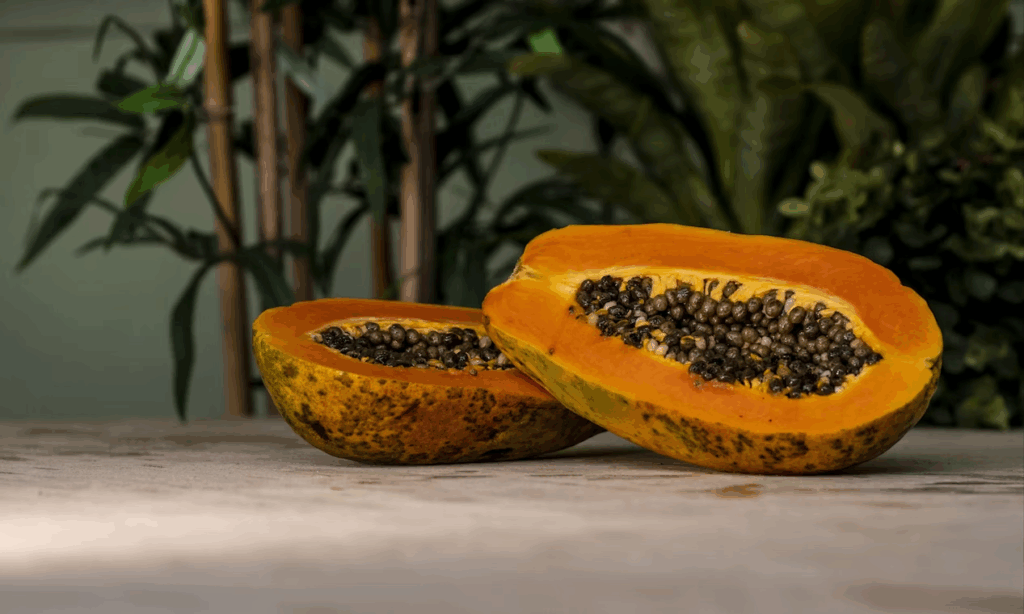
Papaya is so much more than a delicious snack! One of the enzymes inside papaya fruit is called papain. In toothpaste, it can be used to reduce gum inflammation and whiten teeth. Studies show that people who used papain toothpaste had whiter, brighter smiles.
However, papaya plant extract isn’t enough to ensure tooth health. Look for toothpaste that combines this natural ingredient with other essential actives, like xylitol or baking soda.
Green Tea Extract
While drinking green tea has been shown to stain teeth, using green tea extract in toothpaste has the opposite effect! Studies have proven that green tea extract in toothpaste possesses potent anti-inflammatory and antibacterial properties. The key elements of green tea that ensure your tooth health include:
- Polyphenols: These are the compounds that combat inflammation by fighting bacterial growth.
- Catechins: Known as natural antioxidants, catechins help fight cell damage, maintaining gum and enamel strength.
EGCG, also known as epigallocatechin gallate, is the most potent antioxidant in green tea extract. You may see the terms green tea extract, EGCG, or epigallocatechin gallate on the ingredients list.
The Right Choice for You
This review is designed to be a starting point for you to start exploring alternatives to fluoride while maintaining premium oral care and tooth health. Look for toothpaste that lists at least two of these active ingredients to ensure a well-rounded approach to tooth care and if you have any additional concerns about particular issues with your own teeth, it’s always best to consult with your dentist on which ingredients would be most effective for your needs. Talk to them about what they recommend for your family before switching to a new toothpaste!