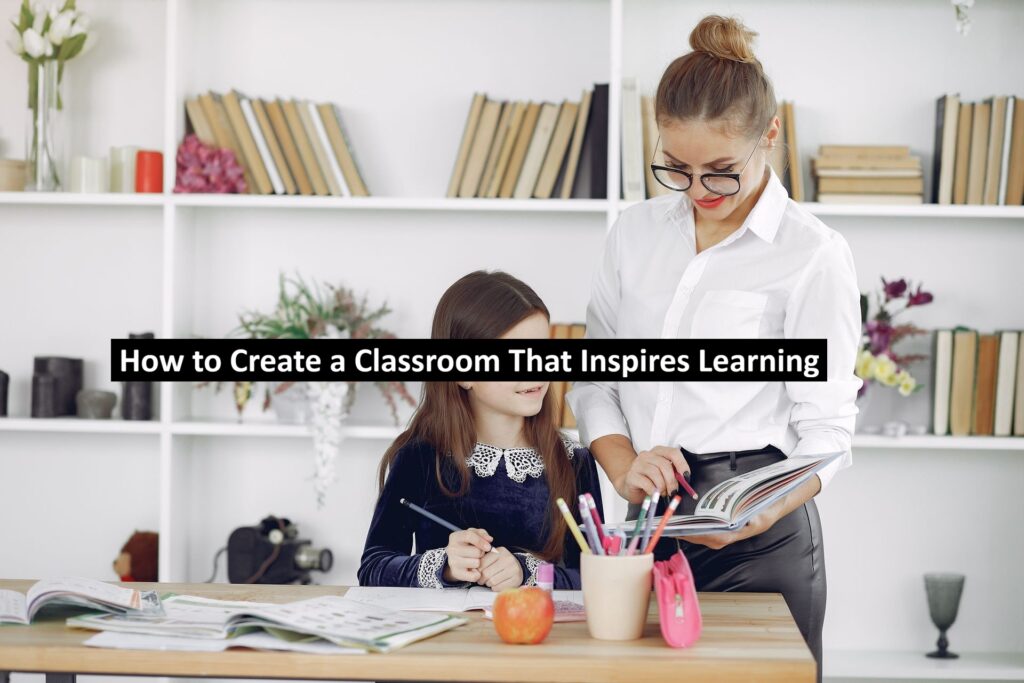
How to Create a Classroom That Inspires Learning
As a teacher, you’ll want your classroom to be one that inspires your students to learn, as you provide them with all the essentials they need to excel in their studies. The way you design your classroom plays a huge role in this, as it can help you to create an environment where children actively want to come to school and learn. The physical space must feel welcoming, as you establish emotional trust and purpose. This helps to give students ownership of their learning journey.
In this guide, we will explain how you can focus on your classroom design to enhance your students’ learning. Continue reading to find out more.
Optimising the Physical Space
Natural Lighting
Getting more natural lighting into your classroom makes it feel more positive, helping to boost the enjoyment of learning. When you enhance lighting, it can lead to boosted productivity, improved focus and reduced stress, which are all very important when trying to learn. Having a classroom with multiple windows or larger windows is a great start, as this will let in the most amount of natural light. You can also install blinds to further optimise this, helping to give you more control over the amount of light you let into your classroom.
Biophilic Design
Incorporating more natural elements into your classroom is an effective way to make students want to learn. You can place plants around the space to improve air quality and enhance the feel-good energy within your classroom. These can provide you students with things that they can care for in the classroom, as you can set them tasks to water the plants and ensure they grow properly. This can teach them the importance of nurturing. You can also purchase faux plants for the same emotional benefits without the stress of maintenance.
Clutter-Free Zone
When your classroom is cluttered, it can make students less concentrated as they’re more focused on the mess around them. Keep around 30% of the wall space open to prevent visual overstimulation, preventing your students’ eyes from unnecessarily wandering around the room. Create designated quiet corners and hands-on resource stations too, so your students can have dedicated areas for specific types of assignments. You can organise regular clean up sessions with your students, giving them a break from learning during the day.
Read: Common Credit Report Errors in Arizona and How to Dispute Them
Emotional Safety and Inclusion
Celebrate Small Achievements
Don’t just celebrate the big achievements on your classroom displays, as not everyone is going to be on the same level. You need to ensure that every student feels accepted and wants to be in your classroom, as you must celebrate even the smallest wins by including them in your displays around the space. This can be a positive reinforcement for students who might not be in the top percentage of learners.
Showcase Students Work
Speaking of displaying achievements of your students around the room, you can also put up any creative work that they complete in class. If you have an artclass, this gives you the perfect chance to make everyone get creative and come up with some unique pieces that you can hang up or stick on the walls. This gives you a unique classroom where you students can see their own projects proudly displayed.
Let Students Help
Allowing students to voice their opinion on the classroom design is important, as this can make them feel included and actively want to learn. Listen to their recommendations about seating and table layouts, ensuring that they all feel comfortable where they’re positioned. If a student isn’t sitting somewhere they feel safe, it can make them less willing to learn. However, it’s important that you keep some authority and don’t just let them sit anywhere, as it could lead to distractions.
Student Empowerment
Co-Create Displays
Co-creating classroom displays shifts the ownership of the room from the teacher to the students. When students help design their environment, they feel more connected to their space and will want to turn up everyday to learn, no matter the subject. Let students choose which piece of work they want to display each week, giving them some small control over the classroom design. You can also create dedicated areas for sticky notes where students can put any questions that they want to know more about. This can make them feel accepted within their learning environment.
Embrace Individuality
Embracing individuality in the classroom means recognising that every student brings a unique set of strengths, cultural backgrounds and learning styles. When you validate who they are as individuals, they feel safe enough to engage deeply with the material. Mix traditional desks with floor cushions, standing desks or wobble stools.
This can help every student feel more comfortable in their surroundings and not confined within a space. You can also make the room more personalised by hanging up canvas prints from Snapfish around the classroom, which can be group pictures of your students to remind them of good memories.